
15th International Conference on Early Modern Literatures of North India (ICEMLNI)
3-6 July 2025
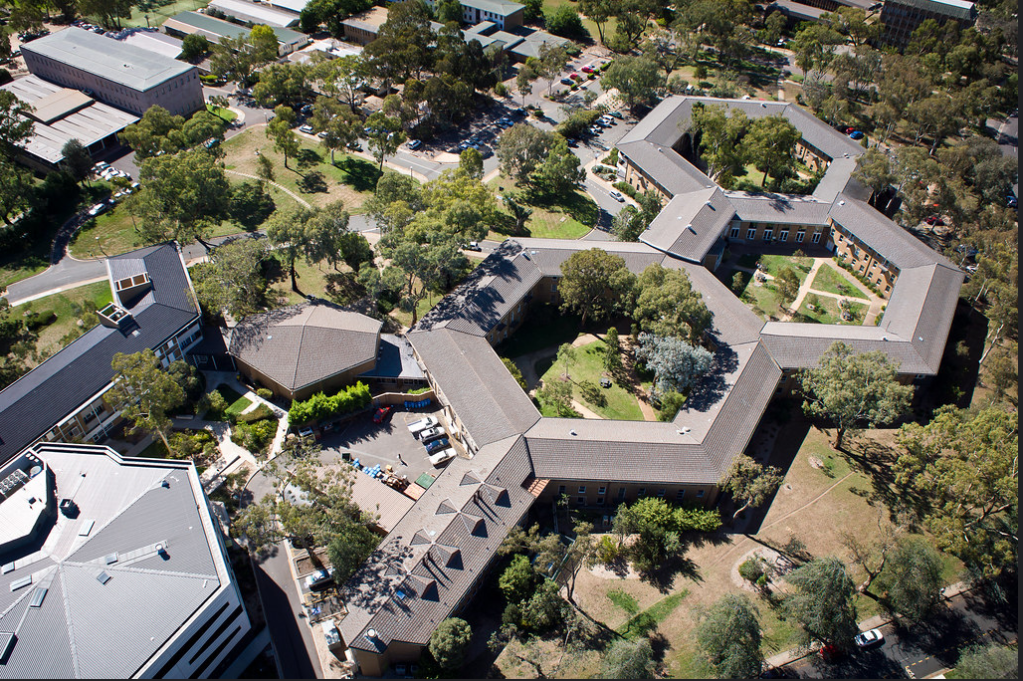
College of Asia & the Pacific, Australian National University
Canberra, Australia
The College of Asia & the Pacific at the Australian National University is pleased to announce the 15th International Conference on Early Modern Literatures of North India (ICEMLNI). Following the conference’s rich tradition since its inception in 1979 as the ‘International Middle Hindi Bhakti Conference’, ICEMLNI continues to serve as a vital meeting place for scholars of early modern North Indian literary traditions.
Conference Scope
We welcome papers addressing research topics that can be characterised as ‘early modern’ (c. 1400-1800 CE) and as North Indian (broadly conceived). The conference embraces diverse perspectives and approaches, including but not limited to:
- Hagiography and devotional literature
- Oral traditions and performance
- Textual criticism and manuscript studies
- Poetics and literary theory
- Religious and philosophical texts
- Literary historiography
- Multiple language traditions of North India
- Trans-regional literary networks
- Courtly and popular literary cultures
Delivery Mode
The conference will primarily be held in person at the ANU’s College of Asia & the Pacific. We have a general goal of having more than half of all attendees be in person. Recognising various structural and logistical barriers to international travel, we will provide a hybrid/dual delivery mode. After all submissions are received, the academic committee will make the decision of how to balance in-person/online attendance and the structure of panels.
Submission Guidelines
- Individual Paper Submissions Only
- Abstract length: Maximum 300 words
- Include:
- Paper title
- Author’s name and institutional affiliation
- Email address
- Preferred mode of presentation (in-person/online)
- 3-5 keywords
Note: The Academic Committee will organise accepted papers into thematic panels
Important Dates
Abstract Submission Deadline: 15 January 2025- Notification of Acceptance: February 2025
- Registration Deadline: 30 April 2025
- Conference Dates: 3-6 July 2025
- Old Hindi Reading Retreat (‘Braj Camp’): Week of 7 July 2025
Registration and Fees
Registration fees are structured as follows:
In-person Attendance:
- Regular Registration: AUD 450
- Student/Unwaged: AUD 300
Online Attendance:
- Regular Registration: AUD 250
- Student/Unwaged: AUD 150
Registration fees cover:
- Conference materials
- Catering (1 conference dinner, all lunches, and morning and afternoon teas)
- Facilities fees
- Technology costs
Registration Deadline: 30 April 2025
Note: Fees do not include travel, accommodation, or personal expenses. Information is provided on our website about accommodation in Canberra. Non-presenting participants are welcome to register and attend at their own expense by the registration deadline.
Special Opportunity: Old Hindi Reading Retreat (‘Braj Camp’)
Following the main conference, participants are invited to join an Old Hindi Reading Retreat at ANU’s Kioloa Coastal Campus on the New South Wales South Coast during the week of 7 July 2025. This additional opportunity allows scholars to extend their academic engagement in a focused setting. Details about this optional retreat will be provided with registration information.
Participation
We especially welcome participation from:
- Early-career scholars
- PhD students
- Researchers representing diverse approaches to early modern North Indian literary studies
Scholars who wish to attend without presenting papers are also welcome to participate.
Contact Information
For queries and submissions:
Email: christopher.diamond@anu.edu.au
Website: www.icemlni2025.org
Host Institution
College of Asia & the Pacific
Australian National University
Canberra ACT 2601
Australia
The ICEMLNI remains committed to fostering productive and enriching diversity of perspectives in the study of early modern North Indian literary traditions.
 the 15th ICEMLNI
Leave a comment